Is It Really “Exotic”? Why Kapow Berries Outshines Regular Weed in 2026
If you’ve walked into a dispensary lately, you’ve likely seen the word “Exotic” slapped on everything from baggie-grade mids to top-shelf flower. But in the 2026 market, connoisseurs know that true exotic status isn’t just about a flashy Mylar bag—it’s about the science of the terpene profile and the purity of the grow.
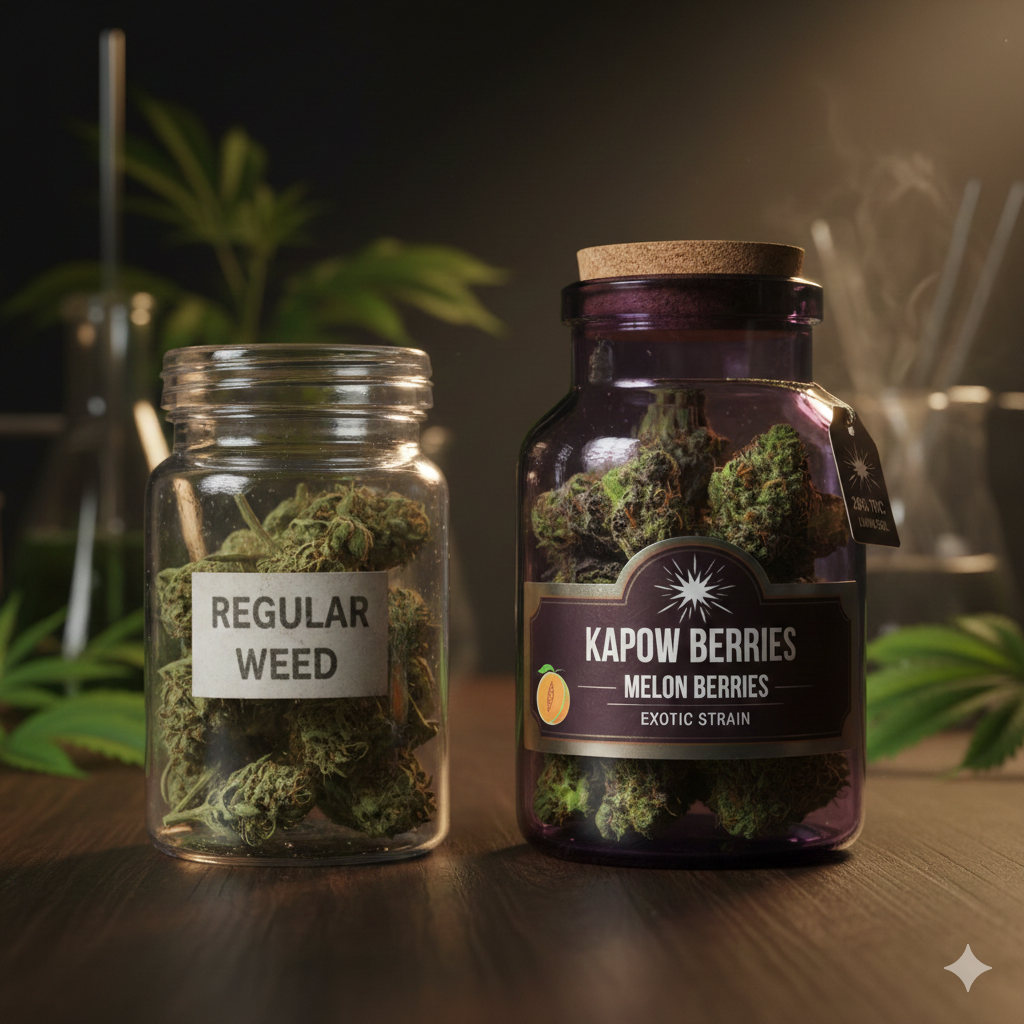
Today, we’re breaking down why the Kapow Berries Collection is setting the standard for what “Exotic” actually means, and why regular weed simply can’t compete with a strain like Melon Berries.
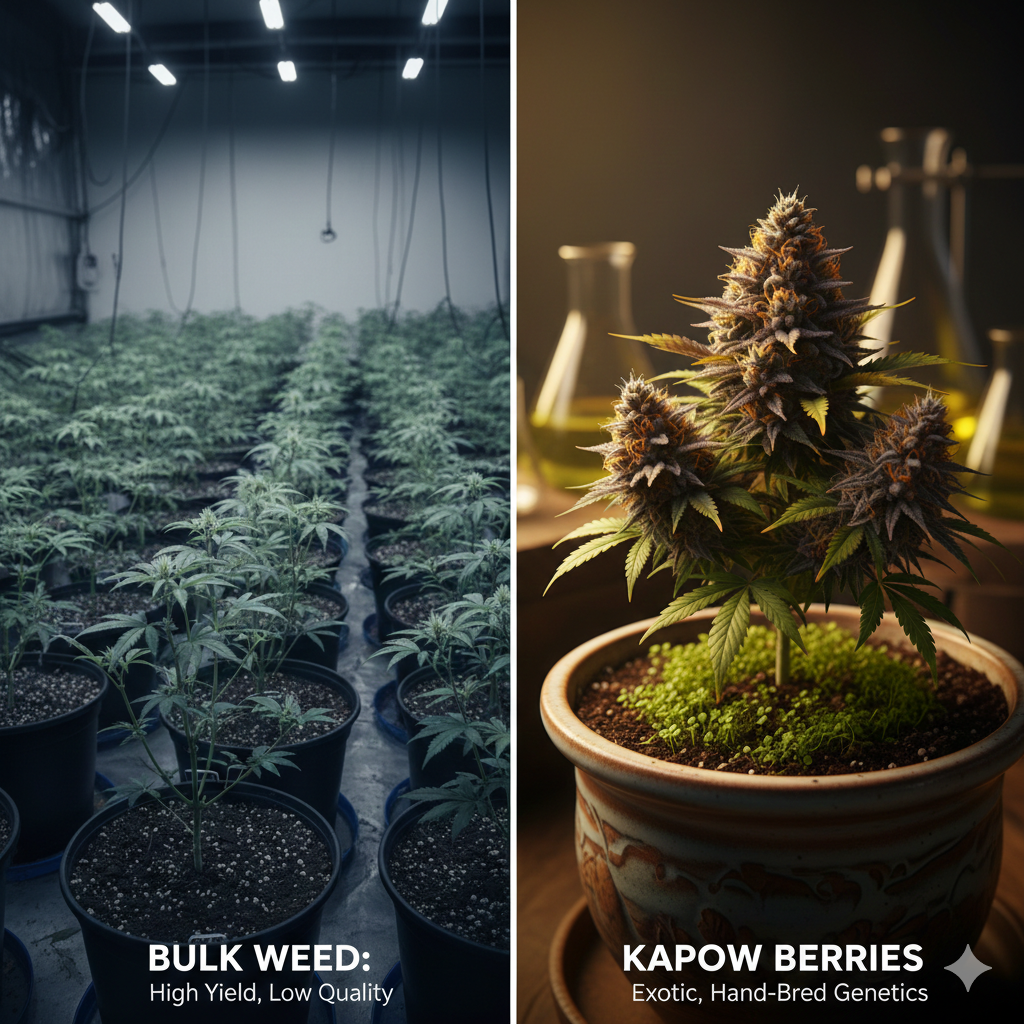
1. The Genetic Gap: Boutique vs. Bulk
Most “regular” weed is bred for one thing: yield. Commercial growers want plants that grow fast and heavy, often sacrificing flavor and complexity in the process.
In contrast, the Melon Berries Exotic Strain is a product of precision breeding. By crossing the legendary Magic Melon with the proprietary Kapow Berries line, we’ve stabilized a phenotype that hits 28% THC without losing the delicate volatile sulfur compounds (VSCs) that give it that signature “Sweet Gas” punch.
2. Living Soil vs. Synthetic Nutrients
The biggest secret in the exotic world? It’s all in the dirt.
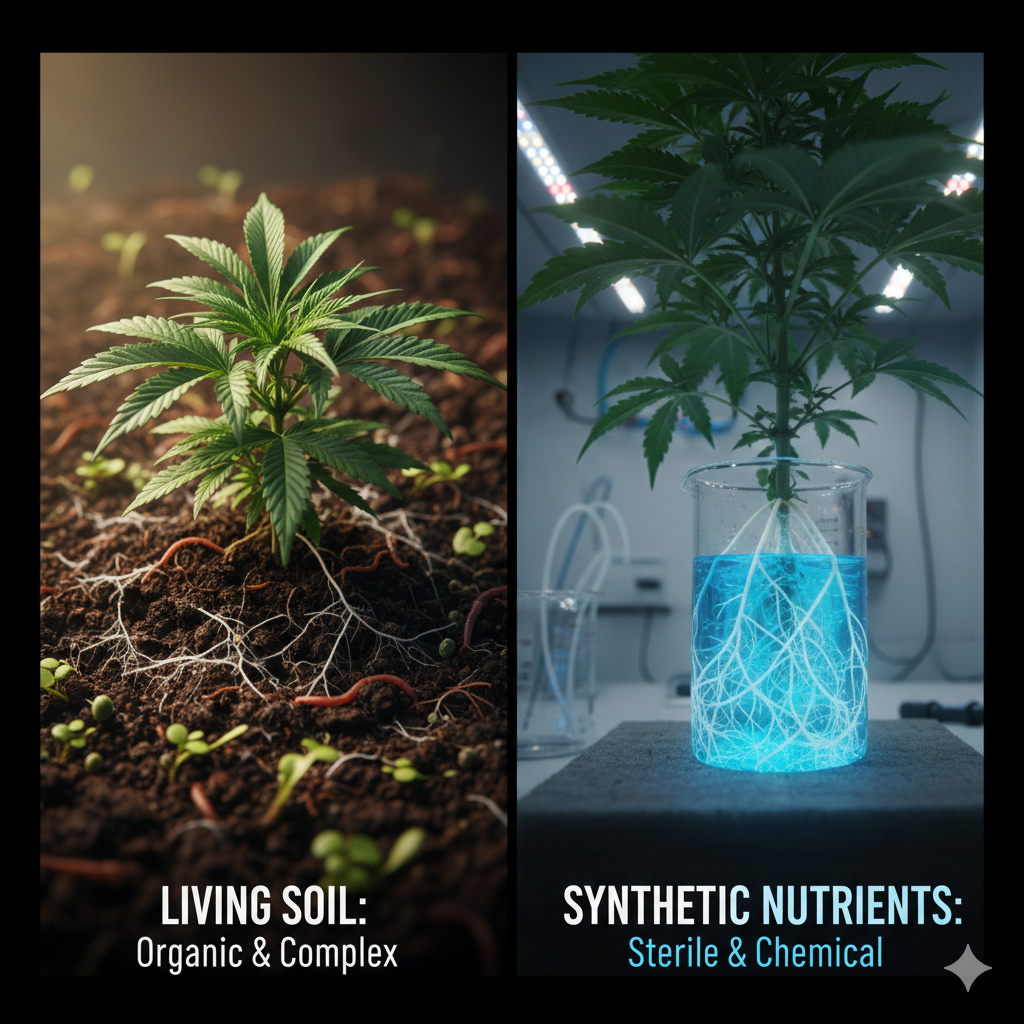
- Regular Weed: Typically grown in coco coir or rockwool using liquid salt nutrients. This produces high THC but often results in a “chemical” aftertaste and harsh throat hit.
- Kapow Berries: We utilize Organic Living Soil. This mimics the natural forest floor, allowing the plant to uptake nutrients through a complex fungal network. This is why our Sweet Gas Cannabis tastes like actual fruit rather than “flavored” smoke.
- Ripe Cantaloupe (from high Myrcene levels)
- Gasoline Funk (from the Caryophyllene)
- Wild Berry Tartness (our proprietary Kapow trait)
Frequently Asked Questions
In 2026, “Exotic” refers to cannabis with rare genetics, small-batch cultivation, and a high terpene-to-cannabinoid ratio. Unlike regular weed, exotics like Kapow Berries feature unique “Sweet Gas” aromas, vibrant colors (purples/neon greens), and extreme trichome density.
Melon Berries is a Sativa-dominant hybrid (60/40). It offers the creative, euphoric “lift” of a Sativa while the Kapow Berries lineage provides a soothing, manageable body relaxation typical of premium hybrids.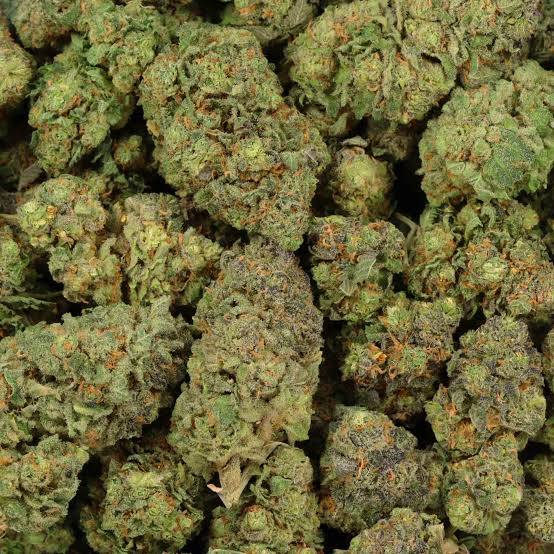
The Sweet Gas profile is the “Gold Standard” of 2026 exotics. It combines the sugary, fruity notes of ripe cantaloupe and wild berries with a pungent, fuel-like “gassy” finish that lingers on the palate.
Living soil uses a natural ecosystem of microbes and fungi to feed the plant. This results in a “cleaner” smoke, white ash, and a much more complex terpene profile than synthetic, salt-based nutrients used in regular weed.
Strains in the Kapow Berries line, such as Melon Berries, typically test between 24% and 28% THC, making them significantly more potent than the 15-20% found in average “mids” or regular flower.
Because of its high 28% THC content, beginners should start low and go slow. The high is euphoric and functional, but the potency is designed for experienced users seeking a “long-lasting” effect.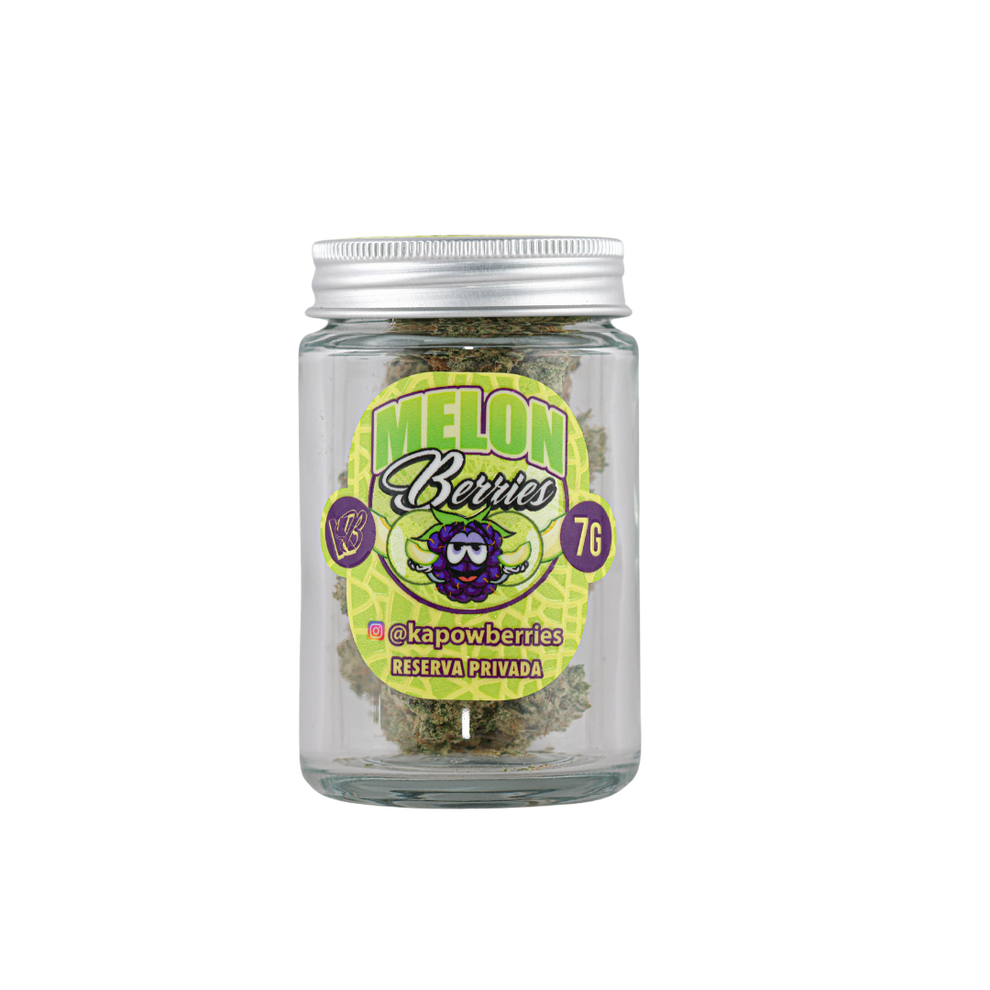
Look for three things: White Ash (indicates a clean grow), Sticky Texture (high resin content), and Complex Aroma (not just “hay” or “pine”). True exotics like Kapow Berries will always have a multi-layered scent.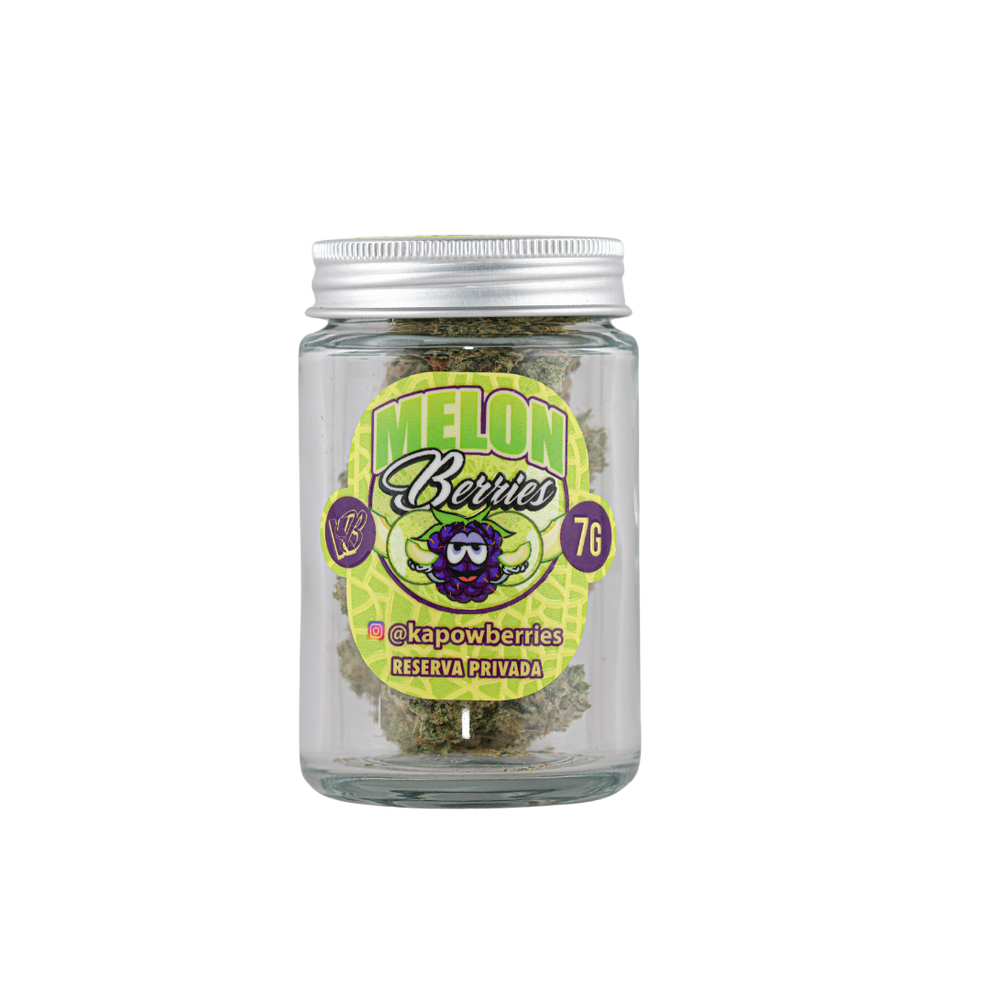
8. Does higher THC mean a better high? Not necessarily. While Melon Berries is high-THC, its “Exotic” status comes from the Entourage Effect-the synergy between its 28% THC and its 4%+ terpene content, which creates a more well-rounded high.
To preserve the delicate “Melon” terpenes, store your flower in a cool, dark place inside an airtight glass jar. Avoid plastic bags, which can strip the trichomes from the bud.
You are paying for the “craft” process: proprietary genetics, expensive living soil inputs, hand-trimming to preserve crystals, and smaller harvest batches that ensure every bud is premium quality.