Understanding THCA: A Look at Tetrahydrocannabinolic Acid
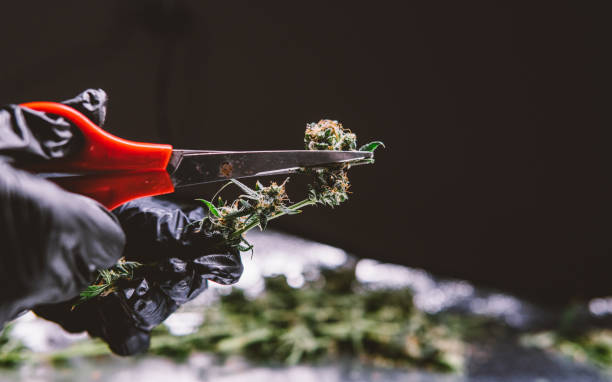
Tetrahydrocannabinolic acid (THCA) is a compound found in raw and live cannabis plants. It is the precursor to delta-9-tetrahydrocannabinol (THC), the primary psychoactive compound in cannabis. Unlike THC, THCA is non-intoxicating in its raw form.
The Science Behind THCA
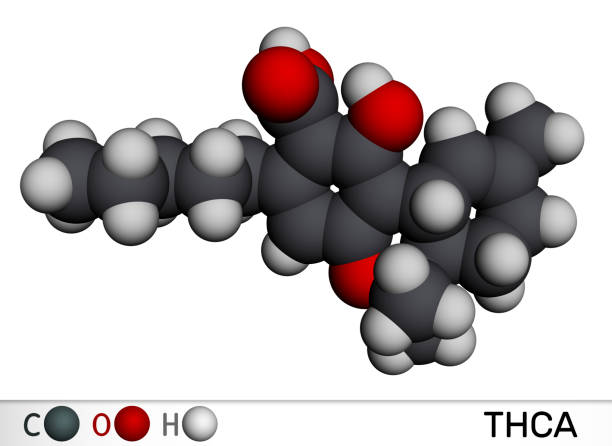
In the cannabis plant, THCA is abundant, particularly in the trichomes. Its molecular structure includes a carboxylic acid group, which prevents it from binding effectively to the body’s CB1 receptors. These receptors are part of the endocannabinoid system and are responsible for the intoxicating effects associated with THC.
Decarboxylation: The Transformation
The key process that converts THCA into psychoactive THC is called decarboxylation. This occurs when cannabis is exposed to heat, such as when smoking, vaping, or cooking. The heat removes the carboxylic acid group from the THCA molecule, transforming it into delta-9 THC, which can then bind to CB1 receptors and produce the characteristic “high.”
Potential Effects and Research
While research into THCA is ongoing, some studies suggest it may possess its own unique properties. These areas of research include potential anti-inflammatory and neuroprotective effects. It is important to note that these are preliminary findings, and further research is needed to fully understand the potential effects of THCA.
Exploring THCA
For those interested in learning more about the science of cannabis and its various compounds like THCA, there are many resources available. Academic journals, scientific studies, and educational websites can provide detailed information on the chemical structure, biological interactions, and potential effects of cannabinoids.
Further exploration of the topic can involve looking into the process of decarboxylation in more detail or researching the different cannabinoids found in the cannabis plant and their potential interactions with the endocannabinoid system.